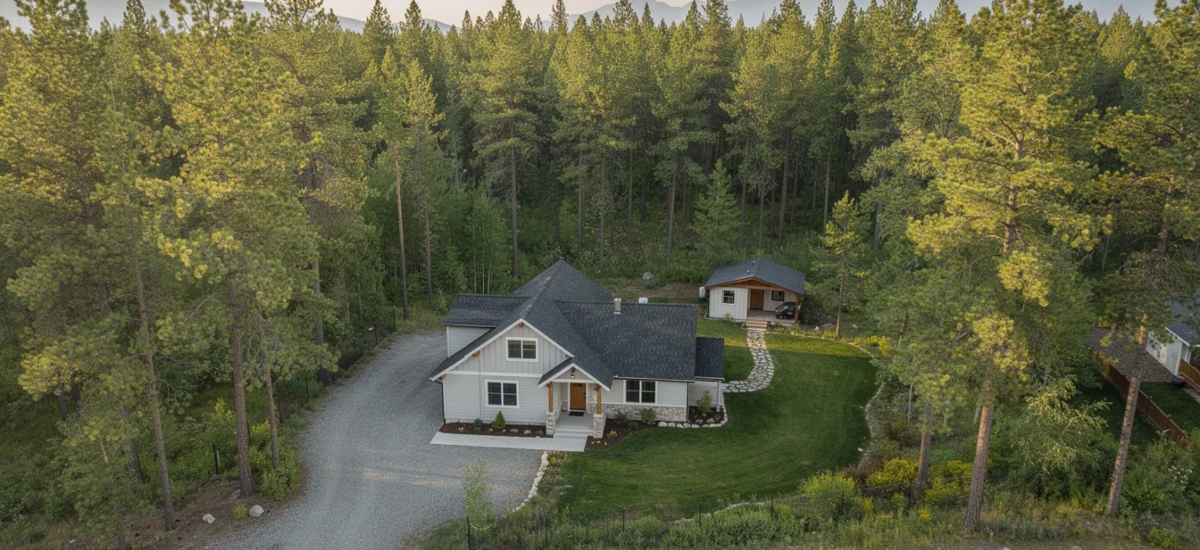
Many homeowners across Hayden, Post Falls, Coeur d’Alene, Hayden Lake, Rathdrum, Dalton Gardens, and Spirit Lake are running out of room. Whether it’s aging parents who need their own space, a growing family that has outgrown the current floor plan, or a desire for guest quarters that don’t mean giving up a bedroom, the need for more living space keeps coming up. The question is how to solve it.
When homeowners search for answers, they usually land on two paths: a home addition that expands the main house, or an accessory dwelling unit-an ADU-that creates a separate residence on the same lot. These go by many different names: guest house, garage apartment, granny flat, in-law suite, secondary suite, or accessory apartment. The terminology varies, but the core decision is the same: connected space inside your home, or independent space on your property.
The right answer depends on three things: your property layout, your household’s long-term goals, and basic feasibility questions about your jurisdiction, utilities, and access. J. Barton Construction is a residential general contractor based in Kootenai County with experience in home additions and accessory dwelling units across North Idaho, and this guide focuses on the practical questions homeowners should review before choosing a direction.
Fast Answer: Is a Home Addition or ADU Better for My North Idaho Property?
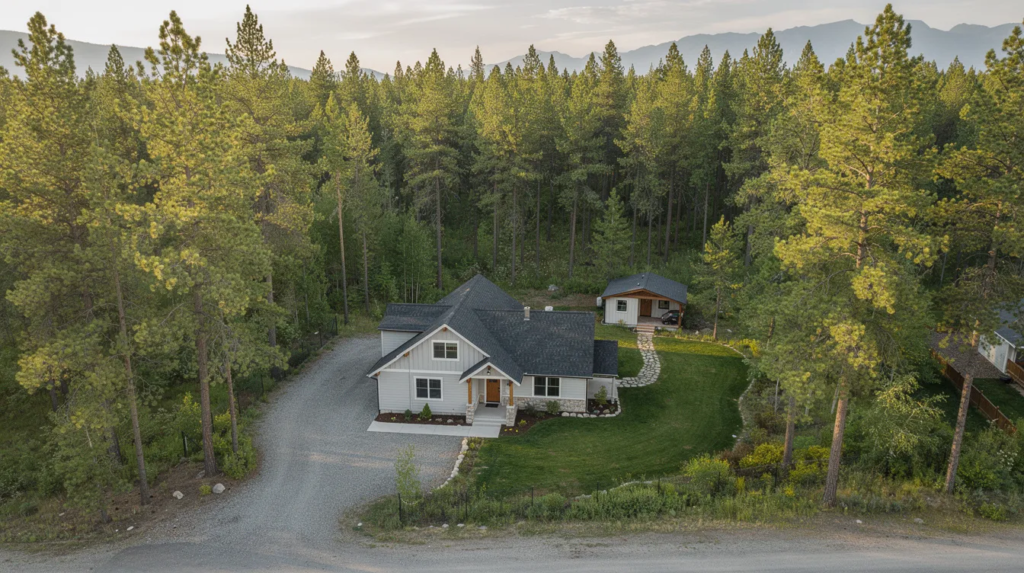
A home addition usually makes more sense when you want to expand your connected living area-a larger kitchen, an extra bedroom, a primary suite, or a mudroom. An ADU may be the better fit when the goal is privacy, multigenerational living, a guest house, or potential rental flexibility where local regulations allow. Neither option is automatically better.
Choose an addition when:
- Your family needs more room under one roof (bedrooms, bathrooms, kitchen expansion)
- You want a main-level primary suite for aging in place
- Your lot doesn’t have space or access for a separate structure
- You prefer one unified home layout for daily living and resale
Choose an ADU when:
- You need privacy and independence for family members, seniors, or guests
- Multigenerational households need separate kitchens and entrances
- You want a garage apartment, detached guest house, or studio with its own systems
- Long-term flexibility matters-family use now, possible rental income later where allowed
What Is a Home Addition? (Hayden & Post Falls Context)
A home addition expands an existing residence but does not include a separate living unit. New, permanent square footage is physically connected to the single family home, sharing the same utilities, foundation system, and internal circulation. Home additions integrate directly into the existing home, providing seamless access between old and new areas.
Common addition types in Kootenai County include:
- Primary suite wing or main-level bedroom addition
- Expanded kitchen or great room for daily living and entertaining
- Mudroom, laundry, or storage additions for North Idaho winters
- Attached garage expansion or second-story addition
- Connected guest suite with a bathroom and sitting area (but not a fully independent kitchen)
Most additions are designed to match the existing roofline, exterior materials, and interior finishes-especially in custom homes around Hayden Lake and established Post Falls neighborhoods. While some additions include a small kitchenette or wet bar, they typically do not include a fully separate kitchen that would qualify the space as an independent accessory dwelling unit.
What Is an ADU? (Accessory Dwelling Unit in Kootenai County)
An accessory dwelling unit is a secondary housing unit on a single family lot. It has its own kitchen, bathroom, sleeping area, and entrance-designed for independent living rather than shared daily use. ADUs are often smaller than standard single-family homes, but they function as complete residences. In North Idaho, they are often considered for multigenerational living, guest space, garage apartments, and flexible long-term property use.
ADUs can be detached, attached, or created by converting existing spaces. The main ADU types relevant here include:
- Detached ADU in the backyard or side yard
- Attached ADU sharing a wall with the main home but with a separate entrance
- Above-garage unit or garage apartment
- Internal ADUs converted from basements or garages where allowed
ADU regulations, approval requirements, and feasibility depend on the specific jurisdiction and property. Not every lot can support an ADU. Homeowners should confirm current rules with their city, town, or county before making plans.
Home Addition vs ADU: The Main Differences That Matter
Both options add space, but they function very differently in day-to-day life and long-term property use.
- Connected vs. separate: Additions are fully integrated into the main house. ADUs are independent secondary units, even when physically attached.
- Privacy and daily use: ADUs provide privacy and independence for occupants compared to home additions. Additions work best when everyone lives as one household.
- Utilities: Additions typically tie into existing systems. ADUs may require extended or upgraded water, sewer, power, and separate heating and cooling.
- Cost drivers: ADUs need everything a small house needs-full kitchen, bath, separate systems. Some additions are primarily envelope and finish work, depending on design.
- Site and design impact: A detached ADU or garage apartment changes how the yard, driveway, and privacy lines function. An addition mainly alters the home’s footprint and roofline.
- Permitting and review: Both often require permit review. However, ADUs can trigger additional questions about access, parking, density, and how many ADUs are allowed on a single-family lot in a given jurisdiction.
- Resale and flexibility: Additions add easily understood square footage. ADUs add flexible space that may appeal to buyers wanting multigenerational living or potential rental housing options.
When a Home Addition May Make More Sense in Hayden & Post Falls
A home addition is often the right fit when the goal is to improve the main home’s layout and shared living spaces rather than create a separate unit. Home additions are ideal for families requiring additional space without separate living units.
- Growing families in Hayden, Post Falls, or Rathdrum who need another bedroom or bathroom but want everyone under one continuous roof
- Homeowners wanting a larger kitchen, pantry, or great room for entertaining
- Adding a main-level primary suite to age in place, especially in older homes with all bedrooms upstairs
- Creating better entries, mudrooms, or storage for North Idaho winters
- Properties with limited yard space or tight setbacks where there is no practical spot for a detached structure
- Owners who prefer one unified layout for resale, making the home simple for future buyers to understand
- In many Hayden and Post Falls neighborhoods, tasteful additions that match existing architecture feel natural in the streetscape and are easier to integrate than a new outbuilding
When an ADU May Make More Sense for North Idaho Multigenerational Living
An ADU is usually the better fit when you need separation, privacy, or flexible use rather than more open-plan square footage. ADUs provide flexible space for family members, guests, caregivers, or potential rental use where local rules allow. Because they function as separate living units, they require careful review of access, utilities, privacy, parking, and permitting.
- Multigenerational living in Kootenai County, where aging parents or adult children need their own kitchen, entrance, and quiet space
- A detached guest house in Hayden or Hayden Lake for out-of-town family who stay for weeks without crowding the main home
- A garage apartment in Hayden or Post Falls where an above-garage ADU provides guest quarters or potential rental flexibility where allowed
- A dedicated work-from-home studio or creative space separated from the main house’s noise
- Homeowners who want long-term flexibility-using the ADU for family now and possibly for permitted rental income or caregiver housing later
- Properties with larger lots where a detached ADU can be positioned to preserve privacy lines, common in parts of Hayden, Spirit Lake, and unincorporated Kootenai County
- ADU construction in North Idaho requires careful review of utilities, access, parking, snow storage, and any neighborhood rules that may apply
Hayden Property Considerations: Addition or ADU?
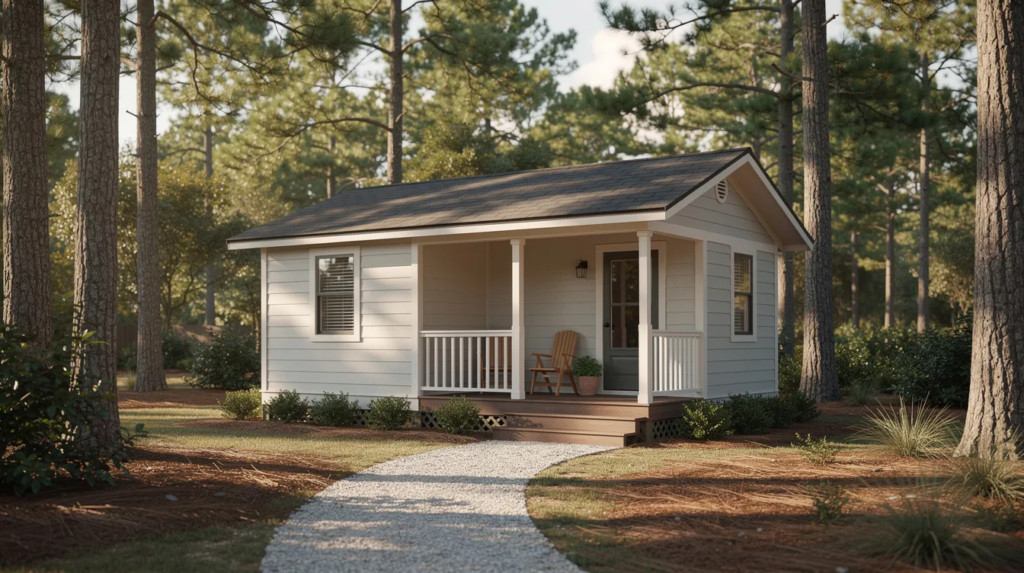
Hayden and Hayden Lake properties often feature larger lots, mature trees, and custom home contexts that create both opportunities and constraints for creating new space.
- Lake-area homes may prioritize views, slopes, and waterfront access-these factors influence where an addition or detached accessory structure could realistically sit
- Many Hayden properties have enough room to support a detached ADU, garage apartment, or guest house, but tree preservation, drainage, and winter access still need evaluation
- In neighborhoods with custom or semi-custom homes, matching the main home’s architecture and quality level is critical whether adding on or building a separate unit
- Driveway length, shared private roads, and snow-plow turnarounds can affect where a separate unit can be placed and how parking is handled
- Lake-area groundwater, retaining walls, and steep slopes may push some properties toward a compact addition instead of a separate foundation
- Specific zoning rules, ADU program requirements, and HOA standards in Hayden must be checked directly with local authorities; a contractor cannot confirm legal approval
Post Falls Property Considerations: Addition or ADU?
Post Falls is a growing area with a mix of newer subdivisions and established neighborhoods where families frequently need more space.
- Newer homes on modest lots may be better suited for strategic additions-extra bedroom, expanded kitchen, larger living room-rather than a detached ADU due to side-yard and backyard constraints
- In some Post Falls areas with larger parcels or corner lots, an ADU or garage apartment project may fit well if access, parking, and privacy are carefully planned
- Subdivision covenants, shared driveways, and neighborhood character can influence whether a detached guest house or second structure feels appropriate
- Utility locations, easements, and drainage paths in newer subdivisions can limit where a new structure can be placed
- A well-designed home addition in Post Falls can re-balance interior space to meet growing household needs without adding a separate residence
- Exact ADU or addition approvals in Post Falls depend on the city and are not guaranteed by any contractor
Utilities, Access, Parking, and Site Layout: Practical Constraints for Additions and ADUs
Many home addition vs ADU decisions in Kootenai County come down to practical site logistics more than design preferences.
- Electrical capacity: Review existing service size and potential panel upgrades; separate heating and cooling for an ADU affects electrical loads significantly
- Water and sewer vs. well and septic: Extensions, capacity reviews, connection requirements, and utility fees may be needed for either option, and homeowners should confirm current requirements with the applicable city, county, utility provider, or health district.
- Gas or propane: Routing new gas lines or planning separate heating equipment matters more when creating a fully independent unit
- Driveway access: Fire access, turning radius, and snow storage influence ADU placement and whether there is room for additional parking
- Parking: Some jurisdictions and HOAs care about vehicle counts; practical parking solutions matter even where not formally mandated
- Construction staging: Equipment access and material delivery differ for a backyard ADU vs. a side-yard addition
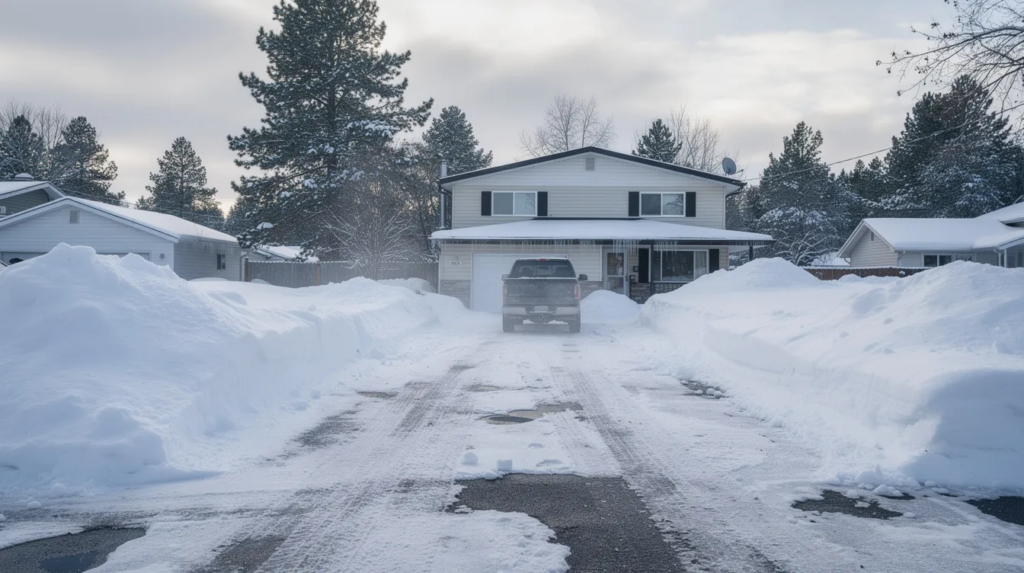
- Drainage and winter conditions: North Idaho freeze-thaw cycles, roof-shed snow, and surface water management must be considered for both additions and detached structures
Permits and Jurisdiction Questions Across Kootenai County
Rules for home additions and accessory dwelling units vary between Hayden, Post Falls, Coeur d’Alene, Rathdrum, Dalton Gardens, Hayden Lake, Spirit Lake, and unincorporated areas of Kootenai County. Home additions and ADUs can both involve permitting, but ADUs may raise additional questions about use, access, utilities, parking, and whether the unit is allowed on the specific property.
- Most structural home additions require building permits and inspections, even when staying within the existing footprint
- ADUs often involve additional review to confirm they are allowed and to address questions about size, placement, access, and density; many cities now permit ADUs in single family zoning districts by right
- Idaho ADU rules are changing, but property-specific review still matters. Homeowners should confirm current requirements for their exact address before assuming an ADU is allowed.
- Idaho’s SB 1354 took effect July 1, 2026, and requires cities with populations over 10,000 to update residential zoning regulations for ADUs by February 1, 2027. The law still leaves room for property-specific review involving building codes, utilities, road access, storm drainage, floodplain rules, steep slopes, and other health and safety requirements.
- Local officials can set timelines for the ADU permitting process, and changes to utilities can require separate trade permits
- Zoning rules for ADUs vary significantly by municipality, often including density and parking requirements; state laws are shifting this landscape, but local authorities-not the contractor-make final decisions
- Nothing in this article is legal, tax, or zoning advice. J. Barton Construction does not guarantee permit, zoning, or rental approvals
Cost Drivers for Home Additions and ADUs (Without Price Ranges)
Both home additions and ADUs are significant investments, and costs depend heavily on design, site conditions, utility needs, access, finish level, and scope. A home addition may share more of the existing home’s systems, while an ADU often requires more independent infrastructure, including a kitchen, bathroom, heating and cooling, and utility connections.
Key cost drivers include:
- Foundation and structural work-adding onto an existing foundation vs. building a new one for a detached ADU
- Framing complexity and roof tie-ins, especially in older homes
- Utility extensions and upgrades for water, sewer, septic, electrical, and gas
- Kitchen and bathroom count-ADUs require full kitchens and baths, which cost more per square foot than bedroom or living room additions
- Separate heating and cooling systems for independent units
- Finishes, custom cabinetry, windows, and exterior materials that match the quality level expected in North Idaho custom homes
- Site access, grading, retaining walls, and driveway or parking work
- Design, engineering, permitting, and inspection needs, which should be clarified before the project moves too far into planning
Privacy, Family Use, and Long-Term Flexibility
Beyond construction and cost, the most important distinction in the home addition vs ADU decision is how the space will be used over the next ten to twenty years. ADUs can add flexibility that a standard addition may not provide, while additions can make the main home more functional for daily living.
- Aging parents or seniors: Compare a main-level primary suite addition vs. a private ADU that offers independence while staying nearby-multigenerational households benefit from having both proximity and separation
- Adult children: A separate ADU lets them live semi-independently on the property, supporting family security without sacrificing anyone’s privacy
- Frequent guests: A guest house in Hayden or Post Falls creates comfortable quarters without rearranging the main home every visit
- Rental flexibility: ADUs can generate rental income for homeowners where local rules allow, while a typical addition remains part of the primary residence; short term rentals may have additional restrictions
- Home office or studio: Some homeowners prefer a quiet, detached ADU-style studio; others are satisfied with repurposed space inside a new addition
- Future resale: Some buyers prioritize bigger connected living areas, while others actively search for properties with ADUs for multigenerational living; understanding how much value each option adds depends on local market conditions
- Daily rhythm: Noise, schedules, and traffic patterns feel different in a larger unified home versus a property with a separate entrance and living unit
Decision Checklist: Should You Build a Home Addition or an ADU?
Use this checklist before reaching out to a residential general contractor in Hayden or Post Falls.
- Goals: What problem are you solving-crowded bedrooms, small kitchen, no guest space, multigenerational needs, or desire for potential rental flexibility?
- Users: Who will use the new space in the next five to ten years-immediate family, aging parents, adult children, guests, or tenants subject to local regulations?
- Connection vs. separation: Does the space need to be fully connected, or is a separate entrance, kitchen, and privacy important?
- Property fit: Does your lot have room for a detached structure, or does the footprint favor a side, back, or second-story addition?
- Utilities and access: Are utilities accessible for expansion? Is parking, driveway access, and emergency access workable?
- Rules and neighborhood: Are there HOA guidelines, owner occupancy requirements, or jurisdiction-specific rules that may influence your choice?
- Construction impact: How much disruption inside the existing structure are you willing to tolerate, and would building a detached ADU reduce or increase that disruption?
- Long-term plan: Is the goal family use, guest use, potential rental flexibility where allowed, resale appeal, or a combination over time?
Where J. Barton Construction Fits Into Your Addition or ADU Project
J. Barton Construction is a licensed, bonded, and insured residential general contractor serving Coeur d’Alene and Kootenai County, including Hayden, Post Falls, Hayden Lake, Rathdrum, Dalton Gardens, and surrounding communities, and also publishes a construction blog with design tips for North Idaho homeowners.
- The company works on home additions, ADUs, garage apartments, custom homes, whole-home renovations, kitchen and bathroom remodeling, and larger residential projects
- J. Barton Construction’s design-build planning process helps homeowners understand scope, sequencing, site conditions, and budget direction before construction starts
- For homeowners comparing a home addition vs ADU, the team can help evaluate construction-related feasibility: structural tie-ins, equipment access, utility routing, drainage, and schedule implications
- Depending on the project, J. Barton Construction may coordinate with designers, engineers, surveyors, utility providers, and local authorities as part of planning
- Final permit, zoning, and rental approvals rest with the applicable jurisdiction, not the contractor
Frequently Asked Questions About Home Additions and ADUs in Kootenai County
These FAQs cover common questions from homeowners in Hayden, Post Falls, and nearby communities who are starting to research home additions and accessory dwelling units.
What is the difference between a home addition and an ADU?
A home addition expands the main house’s connected living area and shares systems and circulation. An ADU is an independent secondary unit with its own kitchen, bath, sleeping space, and entrance on the same lot. Additions are not designed for fully independent living, while accessory dwelling units function like a small separate residence.
Is an ADU better than a home addition?
Neither is universally better. An addition works best when you want more space within the main house. An ADU works best when you need privacy, multigenerational living, or flexible guest and rental options where allowed. The right choice depends on your property, goals, utilities, and local requirements.
Can I build an ADU in Hayden or Post Falls?
Many properties may have options for some form of accessory dwelling unit, but eligibility depends on zoning, parcel size, existing structures, and local rules. Contact the City of Hayden or City of Post Falls-or Kootenai County for unincorporated areas-for current guidance on your specific lot. Housing affordability efforts and recent state law changes are expanding where ADUs are permitted, but each property is different.
Does a home addition add more value than an ADU?
Additions tend to add easily understood square footage that appraisers and buyers quickly value, especially when they improve bedroom and bathroom counts. ADUs add value differently by providing flexible space for family, guests, or potential rental income. The exact impact depends on local market conditions and buyer demand. Speak with a local real estate professional for property-specific questions.
Can an ADU be attached to the main house?
Yes. Some attached ADUs share a wall with the main home but have separate entrances and full kitchens, functioning as independent units. Even an attached ADU is treated differently from a standard addition in design, permitting, and use.
Can an ADU be built above a garage?
Above-garage ADUs and garage apartments are a common form of accessory dwelling unit in North Idaho where lots and structures allow it. Structural capacity, stair placement, fire separation, and access all need evaluation, and local rules still apply.
What should I check before planning an ADU?
- Confirm which jurisdiction your property is in
- Ask about current ADU regulations and whether ADUs or guest houses are allowed on your lot
- Review lot lines, setbacks, utilities, driveway access, and parking options
- Consider how the ADU will be used over time-family, guests, possible rent where allowed
- Do not rely on online information alone; verify with the appropriate city or county
What should I check before planning a home addition?
- Assess the structural condition of your existing home
- Consider roof lines and how they might tie into an addition
- Evaluate available space on the lot and how interior circulation will change
- Think about how construction will affect daily life during the build
- Discuss feasibility and sequencing with a residential general contractor early in the process
Do additions and ADUs need permits in Kootenai County?
Most structural additions and ADUs require permits and inspections. The exact process, fees, and review steps vary by jurisdiction and project. Homeowners should confirm requirements with their local building or planning department. This article does not provide legal or permitting advice.
Can J. Barton Construction help compare an addition and ADU for my property?
Yes. J. Barton Construction helps homeowners in Hayden, Post Falls, Coeur d’Alene, and greater Kootenai County evaluate construction-related feasibility for both options. This may include reviewing access, site conditions, structural tie-ins, utility assumptions, and general budget direction, then coordinating with designers and other professionals as needed.
Next Steps for Hayden & Post Falls Homeowners
Choosing between a home addition and an ADU comes down to how the space will be used, how the property functions, and what local rules allow. There is no universal answer-only the one that fits your lot, your family, and your long-term plans.
Walk your property, think through the decision checklist above, and note your questions about utilities, access, and privacy. When you’re ready, contact J. Barton Construction to talk through whether a home addition, detached ADU, garage apartment, or guest house could fit your property and goals. We work with homeowners across Hayden, Post Falls, Coeur d’Alene, and Kootenai County to help clarify practical options before construction begins.