Introduction: Remodel Permits in Coeur d’Alene & Kootenai County
In Coeur d’Alene, a remodel permit is generally required when your project changes a home’s structure, layout, or systems, including additions, structural alterations, and major kitchen or bathroom remodels that involve plumbing or electrical work. Building permits can be confusing for homeowners, especially when requirements change between jurisdictions that sit just a few miles apart. Whether you live inside the City of Coeur d’Alene, in unincorporated Kootenai County, or in a neighboring city like Hayden, Post Falls, Rathdrum, Hayden Lake, Dalton Gardens, or Spirit Lake, the rules governing your remodel permit in Coeur d’Alene and the surrounding area depend on where your property actually sits.
This 2026 guide is for homeowners in Coeur d’Alene and nearby Kootenai County who are planning residential remodels, additions, or new construction and need to know what permits apply before work begins. You’ll find when a permit is typically required, which projects may not need one, how city and county rules differ, what trade permits may also apply, what the application, cost, timeline, and inspection process usually looks like, and what can happen if work starts without approval. Understanding those requirements early helps you avoid delays, code problems, and value issues that can follow unpermitted work.
J. Barton Construction is a local design-build contractor that helps clients plan projects and navigate permitting as a natural part of the planning and construction process. That said, this page is general information, not legal advice. Codes evolve, and your project details matter. Always confirm current requirements with your local building department before starting any work.
Quick Answer: When You Usually Need a Remodel Permit in Coeur d’Alene (2026)
If your project changes the structure, layout, or systems of your home, you almost certainly need a permit. Building permits are required for remodeling projects in Coeur d’Alene, and the same principle applies across Kootenai County. Residential projects can take 7-14 days for permit approval in the city, so factor that into your schedule from the start.
Work that almost always requires a permit:
- Structural changes, including removing or adding walls
- Home additions and new bedrooms or bathrooms
- ADUs (attached or detached)
- Major kitchen or bathroom remodels involving plumbing or electrical changes
- Decks more than 30 inches above grade or attached to the house
- Most detached garages and large workshops
- Window or door changes that alter opening sizes or headers
- HVAC system replacements and new ductwork
- Reroofing beyond simple shingle overlay
- Fences over 6 feet high
Work that often does not require a permit:
- Painting, wallpapering, and flooring replacement
- Cabinet refacing or countertop swaps with no plumbing changes
- Minor non-structural repairs
- Like-for-like fixture swaps without moving plumbing or electrical
- Small sheds or playhouses under 200 square feet with no utilities
Rules differ between the City of Coeur d’Alene Building Department and Kootenai County Community Development, and even nearby cities like Hayden and Post Falls maintain their own codes. Always check before starting.
City vs. County: Who Issues Your Building Permit?
Different permits are required for incorporated and unincorporated areas of Kootenai County. If your home is inside the City of Coeur d’Alene, you apply through the City of Coeur d’Alene Building Department. Applications are processed at the Customer Service Center in Coeur d’Alene City Hall, located at 710 E. Mullan Avenue, during standard weekday hours (typically Monday through friday, 8 AM–5 PM). You can reach the building office at (208) 769-2267.
Properties in Hayden, Post Falls, Rathdrum, Dalton Gardens, Hayden Lake, and Spirit Lake usually work directly with those cities’ own building departments – not Coeur d’Alene’s. If the property is in the county (unincorporated), apply with Kootenai County Community Development at 451 N. Government Way, phone (208) 446-1040.
Your mailing address doesn’t always match your jurisdiction. A parcel may carry a city name but actually lie in unincorporated county territory. Verify jurisdiction through your tax bill, the assessor’s parcel map, or a quick phone call before you invest time in drawings and applications. Understanding these city vs county permit requirements early saves real headaches later.
What Types of Home Projects Typically Require a Building Permit?
Both Coeur d’Alene and Kootenai County follow the 2018 International Residential Code (IRC) with Idaho state amendments. A building permit is required for new homes and remodels that go beyond cosmetic updates. Building permits are required for remodeling, window replacements, alterations, and structural changes across the region.
Typical projects that trigger a building permit:
- New residential construction and custom homes
- Whole-home renovations and major interior remodels
- Room additions and second-story additions
- ADUs and garage conversions
- Decks, porches, and covered patios
- Detached accessory structures (shops, large sheds, garages)
- Significant reroofing and structural siding changes
- A moving permit is necessary for relocating existing structures
Separate permits are needed for electrical, plumbing, and mechanical work. Permits are also needed for fences over 6 feet high and retaining walls over 4 feet. Always check current threshold sizes directly with your building department – they can shift between code cycles.
Projects That May Not Need a Permit (But Still Require Caution)
Idaho cities and Kootenai County often exempt minor work from permits, but the line between “exempt” and “not exempt” is thinner than most homeowners expect.
Typically exempt work includes:
- Painting, wallpapering, and interior trim
- Floor coverings (carpet, tile, LVP) over existing subfloor
- Replacing faucets or light fixtures in the same location without new wiring or plumbing
- Small sheds or playhouses under 200 square feet, not served by utilities
- Freestanding decks not more than 30 inches above grade, not attached to the dwelling
- Simple fence repairs below the jurisdiction’s height limit
Even if a building permit isn’t required, zoning rules, HOA covenants, setback requirements, and utility easements still apply. A shed might be exempt from a building permit but still violate a 5-foot side setback. Email or call your building department with a brief project description and keep the written response for your records.
Kitchen Remodeling & Permits in Coeur d’Alene and Kootenai County
Kitchens are one of the most popular remodel projects and one of the most regulated spaces in a home because they combine structural, electrical, plumbing, gas, and ventilation systems in a compact area.
A kitchen remodel permit is typically required when you are:
- Adding or removing walls, especially load-bearing ones
- Relocating the sink, dishwasher, or range
- Installing new gas lines or modifying existing ones
- Adding circuits, outlets, or upgrading to a larger electrical panel
- Changing ventilation or hood ducting
Specialty permits for electrical, plumbing, and HVAC work are often required alongside the building permit for kitchen projects. A plumbing permit is needed for plumbing installations and repairs whenever supply or drain lines are moved.
A permit may not be required for purely cosmetic work – refacing cabinets, replacing countertops without moving the sink, or installing new appliances in the same location using existing hookups. Coeur d’Alene’s exempt work list includes “painting, papering, tiling, carpeting, cabinets, countertops and similar finish work.”
A design-build contractor like J. Barton Construction’s kitchen remodeling team can help align your kitchen design ideas with what local inspectors expect before you submit plans.
Bathroom Remodel Permits & Plumbing Considerations
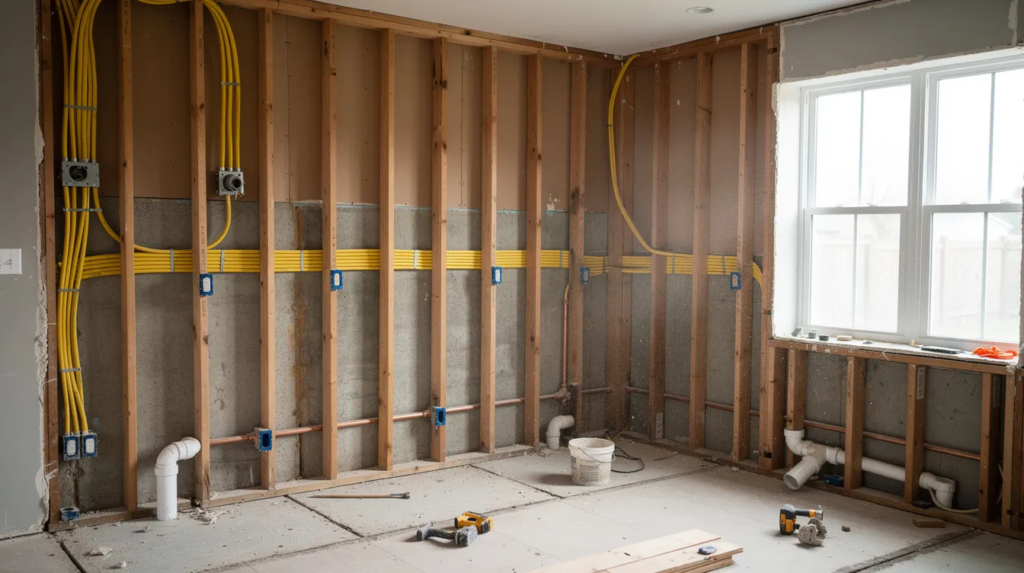
Bathroom projects frequently trigger multiple inspections because they involve plumbing, waterproofing, ventilation, and sometimes structural framing changes, so many homeowners choose professional bathroom remodeling in Coeur d’Alene to manage design, permitting, and construction.
A bathroom remodel permit is commonly required when:
- Adding or removing a full or half bath
- Moving or adding fixtures (toilet, shower, tub, vanity)
- Expanding a bathroom into an adjacent room
- Cutting floor joists for new drains
- Altering structural framing for shower pans or tub alcoves
A plumbing permit is needed for new water lines, drain or vent changes, and water heater relocations. In many Kootenai County areas, plumbing permits and inspections are handled by state-level authorities rather than city staff. Ventilation and moisture control also require mechanical and electrical review – especially when adding exhaust fans, radiant heaters, or new lighting in wet areas.
Cosmetic-only work like replacing a vanity top in the same size or swapping a faucet on existing valves may not require permits, but always confirm with your local office.
Whole-Home Renovations and Major Interior Remodels
A whole-home renovation – where multiple rooms, systems, and often structural elements are addressed under one project – nearly always requires a building permit plus multiple trade permits, and partnering with a Coeur d’Alene home renovation specialist can simplify coordinating those pieces. Residential remodeling projects generally require a plan review, and whole-home work receives the most thorough scrutiny.
Common triggers that increase review complexity include changing the number of bedrooms, converting unfinished basements to living space, updating egress windows, and upgrading electrical services or HVAC to support added load. Energy calculations must prove compliance with current state energy codes, which matters especially when adding insulation, changing window area, or modifying the thermal envelope.
City and county staff typically review life safety, fire separation, energy efficiency, and structural loads as part of a comprehensive plan check. Phased or partial permitting (demo permit first, then full building permit) can sometimes be arranged but must be coordinated with your building department and project team.
Structural Changes, Load-Bearing Walls, and Structural Wall Permits
Any structural change is taken seriously by Coeur d’Alene and Kootenai County building officials. Typical structural changes include removing or shortening load-bearing walls, cutting new openings for large windows or doors, adding beams or posts, altering roof framing, and modifying floor joists for open-concept layouts.
A structural wall permit (functionally a standard building permit with structural drawings) usually requires engineered plans and load calculations. Applications must include scaled, detailed project plans for structural changes, and an Idaho-licensed structural engineer may need to be involved for beam sizing, header specifications, and snow/wind load calculations specific to North Idaho.
Common scenarios – removing the wall between kitchen and living room, vaulting ceilings, or adding large slider doors to a deck – all trigger plan review and inspections. Never rely on “it feels non-load-bearing” assumptions, particularly in older Coeur d’Alene and Hayden homes where framing configurations can be unpredictable.
Electrical Work and Idaho Electrical Permits
In Idaho, electrical permits are typically handled under state authority, even when the building permit comes from the city or county. An electrical permit is usually required for new circuits, panel upgrades, service changes, rewiring rooms, adding outlets or lighting in new locations, and any work in kitchens, bathrooms, or exterior areas.
Minor like-for-like replacement of devices (a switch, outlet, or light fixture) may sometimes be allowed without a permit when no wiring changes occur, but rules vary. Inspections verify proper grounding, GFCI/AFCI protection, load balancing, and compliant wiring methods in damp or exterior locations – all critical safety concerns.
Homeowners may be allowed to pull their own permits in some situations, but many jurisdictions encourage licensed electricians, especially for panel or service work.
Plumbing Work and Remodel Plumbing Permits
A plumbing permit is needed for plumbing installations and repairs across Coeur d’Alene and Kootenai County. Typical work requiring permits includes installing new bathrooms or laundry rooms, moving tubs, showers, or toilets, adding hose bibs, modifying main water services, and replacing or relocating water heaters.
In many Kootenai County areas, plumbing permits and inspections are performed by state-level authorities rather than city staff. Inspections protect against leaks inside walls, improper venting, cross-connections, and inadequate drain slope – problems that are expensive to fix once drywall is up. Even “simple” relocations of a few feet can trigger permit requirements because they affect venting and drainage design.
HVAC, Mechanical Systems, and HVAC Permits
HVAC systems in Coeur d’Alene and Kootenai County must comply with mechanical and energy codes for both safety and efficiency, which is why many homeowners rely on full-service construction and mechanical coordination rather than piecemeal upgrades. Work typically requiring a permit includes replacing furnaces or air handlers, adding ducted air conditioning, installing heat pumps or mini-splits, adding gas lines, and modifying flues or venting.
An HVAC permit may also be triggered by a remodel that relocates mechanical closets or adds finished space over garages or in basements. Incorrectly installed HVAC can create carbon monoxide hazards, poor combustion air, and moisture problems. Some like-for-like equipment swaps may have streamlined permitting paths but still need coordination with the local building or mechanical department.
Windows, Doors, Roofing, and Exterior Siding
Envelope changes affect energy performance, water control, and fire safety, so many require review. A re-roof permit is required for replacing damaged roofs, particularly when sheathing or structural repair is involved, or when changing from lightweight to heavier roofing materials. A window replacement permit applies when you’re enlarging openings, adding egress windows, or altering structural headers.
Door replacements that convert windows to doors, add sliding or folding doors, or widen openings needing new headers also require permits. Siding replacement that impacts weather-resistant barriers or fire-resistance ratings along property lines typically triggers a permit as well.
North Idaho’s snow and wind loads are significant factors. Ask your building department about fastening schedules and material requirements specific to the Coeur d’Alene region. Proper permits and inspections also help protect manufacturer warranties for roofing, windows, and doors.
Decks, Patios, and Outdoor Structures
Decks and elevated outdoor spaces are a frequent source of safety concerns when not built to code. A deck permit in Coeur d’Alene is typically required for decks over 30 inches above grade, attached to the house, supporting roofs or covers, or including guardrails and stairs.
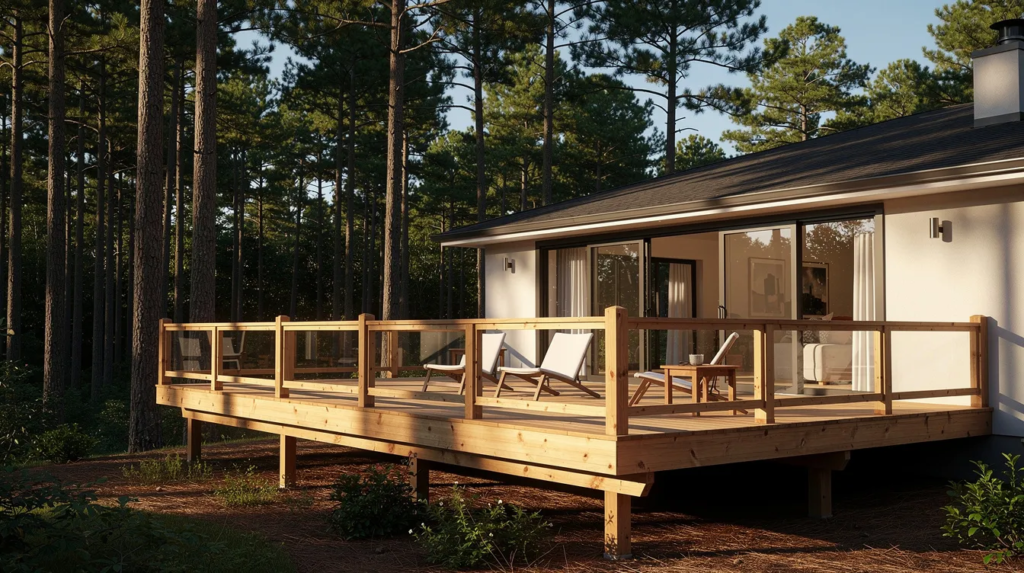
Unincorporated Kootenai County and nearby cities may have similar but not identical rules for deck size, height, and setbacks. Patios at grade made of pavers or concrete may not need a building permit but must still respect drainage, easements, and zoning rules. Covered decks, patio roofs, and pergolas are often treated like small additions that require building permits, snow load design, and sometimes engineering.
If you’re planning a lakeside or steep-slope deck around Hayden Lake or Lake Coeur d’Alene, consult the building department early due to shoreline and geotechnical considerations.
Home Additions, ADUs, and Conversions
Adding conditioned square footage almost always requires a home addition permit with full plan review. Typical projects include expanding family rooms, adding bedrooms, bump-out kitchens, extended primary suites, and second-story additions, and it often helps to work with a fixed-price design-build contractor who can coordinate plans, permits, and construction under one process.
ADU permits in Coeur d’Alene cover detached backyard cottages, over-garage apartments, and internal ADUs like basement apartments. Before July 2026, Coeur d’Alene caps detached ADUs at 800 square feet or 75% of the primary home. Under Idaho’s SB 1354 (effective July 1, 2026), cities over 10,000 population must allow ADUs by right, with a minimum allowable size of 1,000 square feet or 75% of the main home, whichever is larger. Cities have until February 1, 2027 to update their codes.
Garage or attic conversions to living space require building permits to address insulation, egress, fire separation, structural loads, and updated mechanical systems. Kootenai County and neighboring cities each maintain their own ADU rules, so verify early.
Detached Garages, Workshops, and Sheds
Detached accessory structures are common across Kootenai County, especially for boats, RVs, and workshop hobbies. A detached garage permit is typically required for structures with concrete slabs, vehicle storage, electrical services, conditioned space, or those over the local square footage threshold, and projects of this scale are well suited to an experienced Coeur d’Alene general contractor who understands local permitting.
Small, unpowered sheds below 200 square feet may be exempt from building permits in both Coeur d’Alene and the county, but still must follow zoning setbacks, height limits, and lot coverage rules. Adding electrical, plumbing, or HVAC to any detached structure almost always triggers separate trade permits, even when the building shell is exempt. Oversize shops or pole barns often require engineered drawings due to North Idaho’s snow and wind loads.
Demolition Work and Demolition Permits
Even taking things out sometimes requires approval. A demolition permit is typically needed for removing garages or accessory structures, partial demolition of a house, gutting interiors to framing, or full teardowns for new construction.
Demolition permits help coordinate utility shutoffs (power, gas, water, sewer), traffic or sidewalk safety, and environmental requirements such as asbestos or lead paint handling. Some jurisdictions allow small-scale interior demo without a separate permit when immediately followed by a permitted remodel – but confirm with the building department first. Never start aggressive interior demolition before understanding what will be permitted to be rebuilt.
Permit Application Process in Coeur d’Alene & Kootenai County
The process is similar across North Idaho, but exact steps and portals vary by jurisdiction. Here’s the general track:
- Define scope and budget
- Develop preliminary design
- Verify zoning and jurisdiction
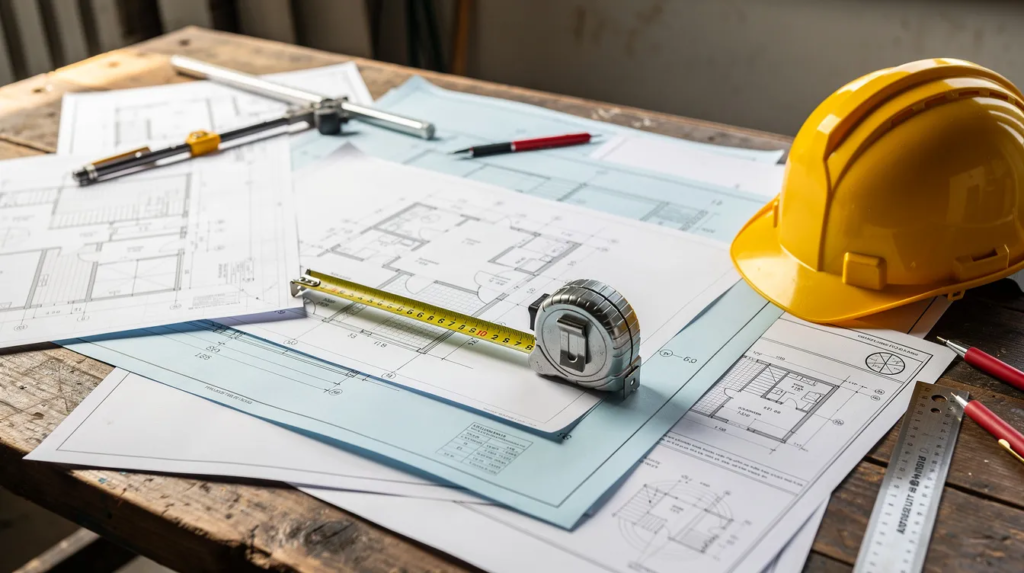
- Prepare construction drawings (site plans require detailed dimensions of the entire building footprint)
- Complete the building permit application forms
- Submit digitally or in person – permit applications must be submitted in person at City Hall for Coeur d’Alene projects
- Pay plan review fees – a non-refundable plan review fee (plan check fee) is due at the time of submittal
- Respond to plan review comments
- Receive issued permit
Remodel permits require submitting detailed plans and applications to the city or county. Applications must be submitted to the building department with detailed plans, and contractor proof of registration is required for permit applications. You can apply for a building permit in person at City Hall, and building permits must be obtained from Coeur d’Alene local council for projects inside city limits.
For projects with electrical, plumbing, and mechanical work, additional trade permits must be applied for – sometimes by licensed contractors. J. Barton Construction’s North Idaho general contractor team typically coordinates drawings and permit submittals as part of a design-build approach, helping homeowners avoid common paperwork mistakes.
Keep copies of approved plans, your permit card, and all inspection reports in a dedicated project folder for future resale and maintenance.
Permit Costs, Timelines, and Inspections
Cost and speed depend on project size, complexity, and the reviewing agency’s current workload. Permit costs vary based on project valuation – most cities and Kootenai County calculate fees from total project value including labor, materials, and contractor profit. For reference, small accessory structure permits in Coeur d’Alene range roughly $47–$237. Coeur d’Alene development impact fees increased approximately 3.9% as of July 1, 2026.
Typical timelines:
- Minor projects may be approved over-the-counter (same day)
- Residential permits can take 7-14 days for approval in Coeur d’Alene
- Kootenai County plan review for unincorporated areas: 10–30 calendar days
- Additions, ADUs, and custom homes take longer, especially during busy seasons
Standard building inspections include:
- Footing and foundation
- Under-slab (plumbing, utilities)
- Rough framing
- Rough plumbing, electrical, and mechanical
- Insulation
- Drywall or lath
- Final inspection
Most jurisdictions offer online inspection scheduling with cut-off times for next-day services. Approved plans and the posted permit card must be on site during every inspection, and you can use practical planning advice from construction blogs and design tips for North Idaho projects to better align your build schedule with inspection timing. Plan permit review and inspections into your overall project schedule to avoid delays.
Risks of Remodeling Without Required Permits
Skipping permits can have serious long-term consequences, even if the work “looks fine” today.
Potential risks include:
- Stop-work orders and double permit fees
- Fines from the building department
- Mandatory tear-outs to expose uninspected work
- Failed future inspections when selling or refinancing
- Increased project costs due to rework
On the real estate side, unpermitted work creates difficulty selling the home, triggers required disclosures, causes problems with refinancing, and can lead to insurance claim denials if damage is tied to unpermitted construction. Buyers, appraisers, and home inspectors in Coeur d’Alene, Hayden, and Post Falls routinely check permit history when assessing value and safety.
Treat permitting as long-term investment protection rather than a short-term hurdle.
How a Design-Build Contractor Helps with Permits
A design-build contractor handles both design and construction under one contract, which naturally streamlines the permitting process, and J. Barton Construction brings years of experience coordinating design and construction through permitting, as reflected in client testimonials and 5-star reviews. J. Barton Construction typically assists by clarifying scope so it aligns with permit categories, coordinating survey or engineering when needed, preparing scaled drawings, handling submittals, and organizing responses to plan review comments.
Early involvement with the building department prevents costly design revisions later, particularly for ADUs, additions, and large interior reconfigurations. Professional coordination also reduces schedule risk by lining up permit timing with contractor availability and materials lead times.
Frequently Asked Questions About Remodel Permits in Coeur d’Alene & Kootenai County
Below are brief answers to common homeowner questions. Each one links back to the relevant section above for deeper information.
Do I need a permit to remodel my kitchen in Coeur d’Alene? Yes, if the project involves plumbing, electrical, gas, or structural changes. Cosmetic-only updates like cabinet refacing or countertop swaps typically do not require a permit.
When is a bathroom remodel permit required in Kootenai County? Whenever you add, remove, or relocate fixtures, alter framing, or change plumbing or ventilation. Cosmetic surface changes alone may be exempt.
Do I need a structural wall permit to remove a wall between my kitchen and living room? Yes. Removing any potentially load-bearing wall requires a building permit with engineered structural plans and inspections.
Is a permit required to replace my windows with larger units? Yes. Enlarging window openings changes structural headers and may affect egress and energy code compliance, triggering a building permit.
Can I replace my roof without a permit? A re-roof permit is required in Coeur d’Alene when replacing damaged sheathing or making structural repairs. Simple overlay may have different requirements – check with your building department.
Do small sheds need a permit? Sheds under 200 square feet without utilities are often exempt from a building permit, but must still comply with zoning setbacks and lot coverage rules.
How long does it take to get a building permit for an addition? Standard residential remodels take 7–14 days in Coeur d’Alene. Additions and ADUs may take longer, and Kootenai County reviews can run 10–30 days.
Can I live in my home during a permitted remodel? Usually yes, though certain inspection stages or safety conditions (like utility shutoffs) may require temporary adjustments.
Can my contractor pull permits for me? Yes. In Coeur d’Alene, contractor proof of registration is required for permit applications pulled on behalf of a homeowner.
Conclusion: Planning a Safe, Code-Compliant Remodel in North Idaho
Understanding remodel permits in Coeur d’Alene, Hayden, Post Falls, Rathdrum, Hayden Lake, Dalton Gardens, Spirit Lake, and Kootenai County is an essential first step before starting any work. Three takeaways worth remembering: confirm your jurisdiction early, budget time and cost for permits and inspections, and treat permitting as protection for your home’s safety and value – not just red tape.
Use this guide as a starting point, then speak directly with your local building department and design-build team for project-specific guidance. J. Barton Construction helps homeowners integrate design, permitting, and construction into one coordinated process – for kitchens, bathrooms, additions, ADUs, and whole-home renovations. Review J. Barton’s website and portfolio for examples, or reach out through their Coeur d’Alene contact page to start a project consultation.
Building codes and permitting requirements change periodically. Always verify current requirements with your local building department before starting construction.