Introduction: Choosing a Coeur d’Alene Custom Builder for Your Property
If you live in Coeur d’Alene, Hayden, Post Falls, Hayden Lake, Rathdrum, Dalton Gardens, Spirit Lake, or anywhere across Kootenai County, and you’ve been searching for the right custom home builder, you’re probably trying to answer a question that goes deeper than “who builds nice houses.” You want to know who can help you plan and build a custom home with clear scope, realistic expectations, and solid construction management from start to completion.
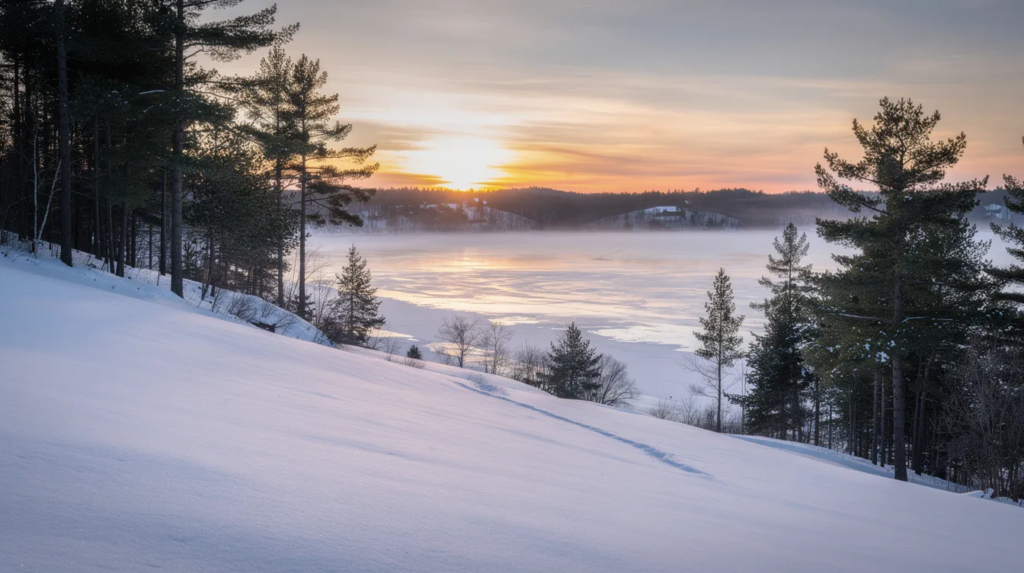
In North Idaho, the right builder depends on your specific lot, the access to it, its slope, available utilities, your design goals, and the permitting path required by the applicable jurisdiction. Custom homes in Coeur d’Alene are designed for long-term livability, and building one offers a unique opportunity to capture distinct lifestyles – from lake life near Hayden Lake to quiet wooded parcels outside Spirit Lake. Coeur d’Alene offers a mix of established neighborhoods and new developments, and each type of property brings its own set of planning questions. Snow, freeze-thaw cycles, terrain, and community character all shape what “custom” actually means here.
J. Barton Construction is a residential general contractor and custom home builder in Coeur d’Alene. This article, however, focuses on how any homeowner can evaluate builders and what to look for before committing to a project.
Fast Answer: What Makes a Strong Coeur d’Alene Custom Builder?
A strong Coeur d’Alene custom builder helps you clarify the lot, scope, budget direction, design path, site conditions, utilities, permitting questions, selections, schedule assumptions, communication process, and construction management before construction begins.
What this looks like in practice varies. A sloped lake-view lot near Lake Coeur d’Alene demands different planning than a level parcel in Rathdrum with municipal water and sewer already at the property line. Custom builders allow for tailored designs to suit local terrain and conditions, and a good one adjusts the planning process accordingly – not just the floor plan.
The builder should be able to explain, in plain language: what will be built, how it will be constructed, what it will roughly cost, what is included and excluded, and how changes will be handled. Communication and transparency are essential for effective project management in home building, so homeowners should clarify contract structures early in the engagement.
A Custom Builder Should Start With the Property
Custom home building in Coeur d’Alene and Kootenai County should start with the land, not just a pre-drawn floor plan. Understanding your lot’s features can affect design and construction planning in ways that aren’t always obvious from a real estate listing photo. A city lot in Coeur d’Alene or Dalton Gardens – with existing neighbors, sidewalks, and municipal utilities – presents fundamentally different planning than a five-acre rural parcel outside Rathdrum or Spirit Lake where you may need a well, septic system, and a quarter-mile driveway.
Consider the range of site types across the region: lake-area property near Lake Coeur d’Alene or Hayden Lake with potential setback requirements and moisture concerns; heavily wooded lots where tree removal, fire-wise planning, and solar exposure matter; sloped view sites above town that may require engineered foundations and retaining walls; infill lots in established neighborhoods where construction staging space is tight; and open pasture-style properties where utility runs could be lengthy and costly.
A custom home builder should review driveway access early, along with site preparation, grading, and foundation planning. Can a concrete truck get to the foundation? Can you get up your driveway in January when there’s ice and packed snow? Is there space for construction equipment staging on tight sites? Winter climate requires snow-load engineering, frost-depth planning, drainage review, and careful access planning for homes in North Idaho. Exact roof snow loads, ground snow loads, and foundation requirements should be confirmed through the applicable jurisdiction, designer, engineer, or building department.
Utilities deserve concrete attention: city sewer and water in central Coeur d’Alene versus well and septic on rural parcels. Power, gas or propane, and communication lines all need to be confirmed. A builder should flag early when separate well drillers, septic designers, or utility professionals may be needed. Drainage matters too – snowmelt, rain, and roof runoff all need somewhere to go, and a builder should think ahead about grading, retention, and protecting both the home and the driveway.
Local builders understand how to maximize views and manage site grading. A strong custom home builder will walk the lot, study sun paths, note neighbors, and help align the future home with both the property and the owner’s everyday living needs, while helping the home respond to actual site conditions, climate conditions, and construction standards. Custom homes are designed for specific land and lifestyle needs – that process starts with the ground, not the Pinterest board.
Local Experience Matters in Coeur d’Alene and Kootenai County
North Idaho experience matters because regional custom builders are familiar with building codes and climate needs that affect every decision – from foundation depth to roof pitch to insulation detail. Snow loads, freeze-thaw cycles, lake-effect moisture, and wooded site conditions influence framing, material selection, and construction scheduling in ways that builders from other regions may not anticipate. Local expertise greatly influences execution and quality of custom home projects.
Building in Coeur d’Alene requires knowledge of local zoning laws and the difference between city and county jurisdiction. In Coeur d’Alene’s established neighborhoods and infill lots, a builder needs to navigate tighter access, closer neighbors, and existing streetscapes while fitting in a brand new home. In Hayden and Hayden Lake, properties range from subdivisions to acreage to lake-adjacent lots – driveway length, snow management, and outdoor living space all come into play differently.
Post Falls family homes and growing neighborhoods often involve subdivision CCRs or HOA review. Custom homes there frequently balance budget, space, and commute times. Rathdrum and rural Kootenai County parcels are more likely to need well and septic review, access planning, and careful staging for custom home building on larger or more remote tracts. Dalton Gardens and similar larger residential properties carry a semi-rural feel with space for irrigation, outbuildings, and accessory dwelling units. Spirit Lake and other wooded or lake-area parcels bring privacy considerations, tree preservation, and fire-wise planning to the front of the conversation.
Building a custom home often requires specialized local knowledge. Local experience means understanding how North Idaho site conditions, winter access, utility coordination, permitting questions, and construction sequencing can affect the project. It also means knowing when to involve surveyors, engineers, septic designers, utility providers, and local authorities so the project is planned around the property’s actual constraints.
Custom Builder vs General Contractor vs Design-Build Contractor
Many companies in North Idaho wear more than one hat, so homeowners often see the terms custom home builder, general contractor, and design-build used interchangeably. Here’s how they differ in practice:
- A custom home builder focuses on planning and constructing homes tailored to the homeowner’s goals and specific property – typically one-off projects, not production builds.
- A residential general contractor coordinates trades, inspections, materials, schedule, jobsite safety practices, and overall construction management for custom homes, remodels, and additions.
- A design-build contractor coordinates design input, budget feedback, constructability review, and construction planning earlier in the process. The goal is to keep design decisions, scope, selections, and construction planning better aligned before work begins.
In Coeur d’Alene, a single firm like J. Barton Construction may act as custom home builder, general contractor, and design-build coordinator on the same project, depending on how the team and outside professionals are organized, as described in their role as a North Idaho general contractor and team. Working with a custom builder who also manages the construction process can reduce handoffs and make communication clearer.
As a practical example: one homeowner might hire an architect first, complete full design documents, then bid those plans to builders. Another might use a design-build planning path where the builder is involved during conceptual design and selections. Neither approach is automatically better – different models suit different custom home building goals and personalities.
What a Builder Should Clarify Before Pricing Your Custom Home
Price per square foot in Coeur d’Alene only means something when the assumptions behind it are clear. Without that clarity, comparing proposals becomes guesswork. Finish level, site work, utilities, slope, access, structural complexity, selections, and exclusions can all change the final construction budget.
A custom home builder should clarify these elements before giving a serious price or fixed-price proposal:
| Element | What to Confirm |
|---|---|
| Scope of work | New home only, or also detached shop, ADU, hardscapes, driveway, landscaping? |
| Site assumptions | Level vs sloped, rock excavation risk, retaining walls, drainage |
| Exclusions | What is not included – landscaping, AV systems, fencing, furniture? |
| Selections & allowances | Are cabinet, countertop, flooring, window allowances realistic for the finish level you want? |
| Utility assumptions | Power, gas/propane, water, sewer, well, septic – included or by-others? |
| Permit assumptions | Who pursues permits? Any seasonal considerations? |
| Change-order process | How are changes requested, priced, approved, and documented? |
| Custom designs allow for flexibility in layouts and finishes based on lifestyle, but that flexibility needs to be reflected in the budget structure. Potential challenges in home building may include changes in permits and design, so a clear change-order process protects both sides from mid-build surprises. Home remodeling projects and new construction alike require understanding local zoning laws, and the permitting process in Coeur d’Alene should be addressed before pricing is finalized. |
Site Feasibility Questions to Ask Before Building
Early “can we actually build what we’re imagining on this lot?” conversations can prevent expensive redesigns or delays later. A site feasibility review should address whether the lot realistically supports the size and type of custom home you want – including garage, outdoor living, and possible future additions or an accessory dwelling unit.
ADUs can provide additional living space for family, guests, or potential rental use where local rules allow. If a future ADU is part of the homeowner’s vision, the lot should be evaluated early for access, utilities, parking, placement, and jurisdiction requirements.
Driveway feasibility matters more than many homeowners expect: slope, length, turning radius for fire and delivery vehicles, winter access in snow and ice, and guest parking for everyday living and gatherings all affect both cost and daily life in the finished home.
Key feasibility questions include whether power, water, sewer, gas, and communications are available at or near the property line. In rural Kootenai County locations, septic and well considerations require early coordination with septic designers, well drillers, and local health department professionals. For sloped or wooded sites, tree removal plans, solar exposure, and how grade may drive foundation design, retaining walls, and deck placement need attention.
HOA or neighborhood restrictions – such as CCRs in certain Coeur d’Alene or Hayden communities – may affect exterior materials, building footprints, RV parking, or outbuildings. Understanding which jurisdiction applies (City of Coeur d’Alene, City of Hayden, Kootenai County) affects the process steps and timeline. A strong custom home builder or residential general contractor will help identify when to bring in outside professionals like surveyors, engineers, geotechnical consultants, or arborists based on the site.
Design-Build Planning vs Architect-Led Custom Home Design
North Idaho homeowners generally follow one of two paths toward their dream home: a design-build planning approach, or an architect-led design path with a separate builder.
In design-build custom home planning, the builder works alongside designers – and sometimes engineers and other consultants – to shape the design, budget feedback, selections, and constructability as one integrated process. This approach can improve coordination between design decisions and construction realities. It may be especially useful when dealing with complex sites, slopes, utilities, access, or view-driven home placement around Coeur d’Alene and Hayden Lake.
In an architect-led design path, the homeowner hires an architect or residential designer first to fully create the home design, then bids the plans to builders or selects a builder afterward. This may be a strong fit for highly specialized architectural concepts, certain lakefront custom homes, or when the homeowner wants a fully independent design process before committing to a builder.
Neither path is automatically better. The right fit depends on the property conditions, the level of customization, the homeowner’s comfort with budget risk, and whether they prefer a single team or separate design and build partners. Some Coeur d’Alene custom home projects use a hybrid approach: an architect plus a builder providing preconstruction input on feasibility, costs, and phasing.
Fixed-Price Planning and Why Scope Clarity Matters
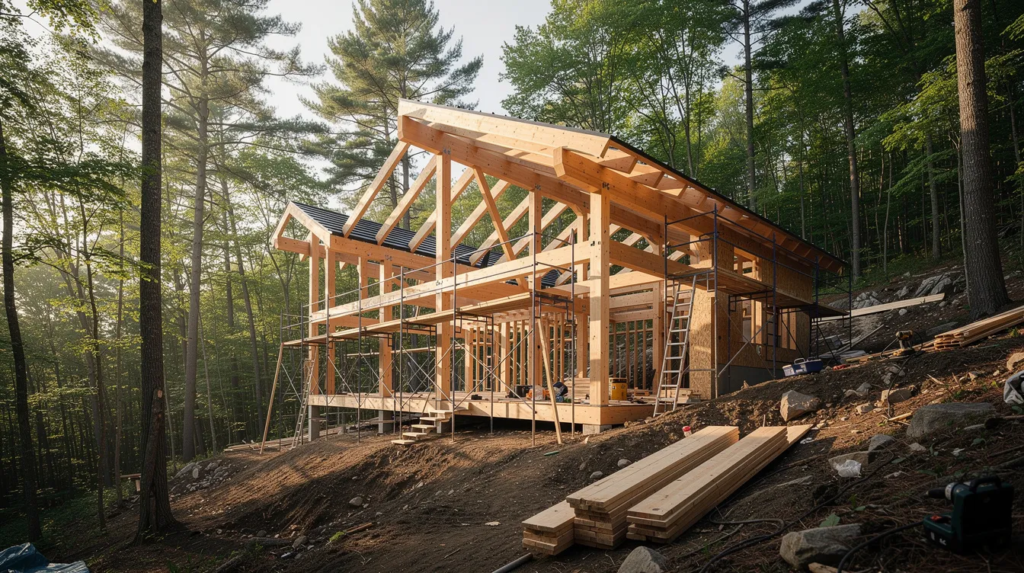
Fixed-price planning is the preconstruction work required for a builder to offer a detailed fixed-price construction agreement based on clear drawings, specifications, and site assumptions. Fixed-price contracts can provide clearer pricing when the scope, drawings, selections, allowances, and site assumptions are well defined before construction begins.
This contracting model simplifies project delivery for homeowners, but it depends on clarity – not guesswork. The more defined the drawings, specifications, and assumptions, the more reliable a fixed price can be. What should be clearly included: structure, finishes, mechanical, electrical, and plumbing systems, site work, and any agreed outdoor living or accessory structures. What should be clearly excluded or noted as by-others – specialty items, extensive landscaping, owner-furnished materials – must be spelled out so expectations match reality.
Selections influence fixed-price planning directly. Items that are fully selected and specified create reliable cost numbers. Items remaining as allowances carry inherent uncertainty, so allowance levels should be realistic for the quality of custom home the owner expects. Fixed-price contracts help manage budget expectations effectively, but fixed-price planning cannot remove every unknown – particularly when dealing with underground conditions, existing structures, or mid-project design changes.
Change orders within a fixed-price agreement should follow written documentation, pricing, and approval before any changed work proceeds. This protects both the homeowner and the builder.
Communication and Project Management With a Coeur d’Alene Custom Builder
The best custom home plan still relies on strong communication and daily project management once construction starts. Here’s what homeowners should expect from a Coeur d’Alene custom builder or residential general contractor:
- A clear primary point of contact who answers questions and relays information between homeowner, trades, and suppliers
- A written scope of work and contract documents that match the agreed plan, including drawings, specifications, and allowance schedules
- Documented changes that protect both sides – written change orders, updated pricing, and schedule impact notes
- Schedule updates tied to real milestones: foundation, framing, rough-ins, finishes
Weather and selections can impact timing in North Idaho, so schedule communication should be ongoing rather than one-and-done. Strong project management includes subcontractor coordination, materials ordering, inspections, jobsite cleanliness, and managing deliveries on constrained Coeur d’Alene or Hayden sites. Custom home plans should account for long-term family needs, but mid-build changes still need a clear written process.
Jobsite access planning matters too – clear communication about when homeowners or third parties can visit, safety expectations, and how to share progress photos if the owner lives out of area while building in Kootenai County. Homeowners should also review relevant project examples and ask clear questions about process, communication, and jobsite management before signing.
At the end of construction, expect a final walkthrough, a punch list process, and clear documentation of how issues discovered after move-in are reported and addressed.
Red Flags When Comparing Custom Builders in Coeur d’Alene
This section is a factual guide to help homeowners spot issues early – not criticism of any particular builder. Custom homes reflect the homeowner’s unique vision and values, and protecting that vision starts with recognizing warning signs during the selection process.
Watch for these concerns:
- Vague scope descriptions that don’t spell out what is and isn’t included in the custom home project
- Unclear or unrealistically low allowances that will almost certainly lead to upgrades and cost increases once real selections are made
- No written change-order process, or reluctance to describe how changes are handled and priced
- Weak communication before signing – slow replies, incomplete answers, or discomfort discussing site constraints or budget ranges
- Ignoring site conditions (slope, trees, utilities) during early conversations, or pricing a project without having visited the lot
- A single-page number with no breakdown, no assumptions, and no explanation of inclusions or exclusions
- Promises of very aggressive or specific timelines without acknowledging North Idaho weather, inspections, material availability, or the complexity of custom homes
- Inability to explain who will actually manage the project day to day
Questions to Ask a Coeur d’Alene Custom Builder Before You Commit
Think of this section as a conversation guide you can keep on your phone when meeting with builders.
Have you reviewed the property? Ask whether the builder has personally walked the lot and what site constraints or opportunities they see. A builder who prices without visiting the site is working from assumptions, not reality.
What is included in your planning process? Find out whether the builder’s process includes a site walk, preliminary feasibility review, budget ranges, and whether they help with selections and permitting steps.
How are allowances set? Ask how the builder helps homeowners keep selections aligned with the custom home budget direction, and whether allowance amounts reflect the quality level you actually want.
How are selections made? Discover whether selections happen through design meetings, showrooms, online portals, or local vendors common in Coeur d’Alene and Hayden.
Who coordinates outside professionals? Ask who manages designers, engineers, surveyors, or septic professionals if needed, and how those professionals are integrated into the schedule.
How are changes documented? Understand the change-order process, who manages the jobsite daily, and how often you should expect updates.
What happens at final walkthrough? Ask how punch lists are handled, what type of documentation you’ll receive, and what post-build support is available.
Where J. Barton Construction Fits in Coeur d’Alene Custom Home Building
J. Barton Construction is a licensed, bonded, and insured residential general contractor serving Coeur d’Alene, Hayden, Post Falls, and greater Kootenai County. The company works on custom homes, whole-home renovations, kitchen and bathroom remodeling, additions, accessory dwelling units, and larger residential construction projects across North Idaho. Whole-home renovations in Coeur d’Alene can also improve long-term livability, update older spaces, and adapt a house for modern living when the scope is planned clearly.
Our approach is planning-first: we help homeowners clarify site access, buildability, scope, selections, sequencing, utility assumptions, and custom home budget direction before construction begins. When a project calls for it, we coordinate with outside professionals – designers, engineers, surveyors, septic professionals, and utility providers – and communicate with the applicable local authorities. Kitchen remodels and bathroom remodels can also improve functionality, everyday living, and long-term usability when they are planned around the homeowner’s goals. Custom kitchen and bathroom design should reflect how homeowners live, with selections, finishes, layout, and technology reviewed before construction begins.
For custom homes in areas like Coeur d’Alene, Hayden Lake, Dalton Gardens, and rural Kootenai County, our team focuses on aligning the home with the lot, the owner’s everyday living needs, and a clear construction management plan. Homeowners can review completed projects and learn more about our general contractor and remodeling services in Coeur d’Alene, and reach out if they want to discuss whether this planning-first approach fits their property and goals.
FAQ: Coeur d’Alene Custom Builder Questions
Below are common questions homeowners in Coeur d’Alene and Kootenai County ask when exploring custom home builders. These answers are general – you should still discuss the specifics of your lot and goals directly with a builder.
What should I look for in a Coeur d’Alene custom builder?
Look for local experience in Coeur d’Alene and Kootenai County, willingness to walk the lot, clear communication, transparent pricing assumptions, and an organized planning process. Pay attention to how the builder handles site constraints, utilities, winter conditions, and how your everyday living patterns will fit into the home. You should feel comfortable asking questions and getting straightforward, detail-rich answers. A custom builder should care about functionality, livability, site fit, construction details, and long-term use — not just aesthetics.
Who is the best custom home builder in Coeur d’Alene?
There is no single “best” builder for everyone. The right builder depends on the property, design goals, scope, budget direction, and communication style the homeowner prefers. Compare builders based on how they approach the lot, how clearly they explain assumptions, how they structure their planning process, and how transparent their proposals are. Focus on fit, trust, integrity, planning process, site understanding, proposal clarity, and communication instead of marketing phrases or the lowest initial price, since exceptional builders pair a clear process with strong craftsmanship rather than just strong marketing.
Should I contact a custom builder before buying land?
Yes, contacting a Coeur d’Alene custom builder or residential general contractor before purchasing land can be helpful – especially for sloped, wooded, or lake-area parcels. Early input can highlight access, utility, and feasibility issues that might not be obvious from a real estate listing alone. Even a brief conversation or site review can help align the lot choice with the type of custom home the buyer hopes to build and help the buyer secure the right property for that plan.
What is the difference between a custom home builder and a general contractor?
A custom home builder focuses on creating homes tailored to individual clients and properties, often with more emphasis on design coordination and finish details. A residential general contractor manages the construction logistics: hiring trades, scheduling, materials, inspections, and day-to-day jobsite operations. In Coeur d’Alene and North Idaho, one company often serves as both custom home builder and general contractor on the same project.
What is design-build custom home planning?
Design-build is a process where design and construction planning are coordinated under one primary team from early in the project. It helps keep design ideas, budget feedback, constructability, and scheduling aligned while the custom home is still on paper. In Kootenai County, this approach can be especially useful when dealing with complex sites, slopes, or uniquely positioned views around Coeur d’Alene and Hayden Lake. It can also help deliver a more coordinated planning and construction experience under one primary team.
What does fixed-price planning mean for a custom home?
Fixed-price planning is the preconstruction work required for a builder to offer a detailed fixed-price contract based on clear drawings, specifications, and site assumptions. It helps homeowners know what is included, what is excluded, and which items remain as allowances before construction starts. While fixed pricing can reduce many budget surprises, it cannot guarantee that no changes or unknowns will arise – especially if scope changes mid-project.
Can J. Barton Construction build custom homes in Hayden or Post Falls?
Yes. J. Barton Construction serves homeowners building custom homes and completing larger residential projects in Coeur d’Alene, ID, Hayden, Post Falls, and surrounding Kootenai County communities. Typical project types in these areas include custom homes in neighborhoods and on acreage, whole-home renovations, additions, and ADUs. We encourage homeowners in these cities to reach out to discuss their specific lot and goals.
What should be decided before construction starts?
Before breaking ground, homeowners and builders should clarify overall scope, floor plan direction, key structural decisions, major selections (windows, roofing, siding, cabinets, flooring), and site plan basics such as driveway and grading concept. An agreed budget framework, written contract documents, known allowances, and an understood change-order process are essential. While not every small detail must be finalized, the major drivers of cost and schedule should be resolved to avoid major shifts mid-construction. Important selections and design decisions should be handled early enough to support accurate pricing, ordering, and scheduling.
Who else may need to be involved besides the builder?
Common professionals for North Idaho custom homes include architects or residential designers, structural engineers, surveyors, septic designers, energy consultants, and sometimes geotechnical engineers for slopes or challenging soil conditions. Utility providers, HOA architectural review committees, and local jurisdictions (City of Coeur d’Alene, City of Hayden, Kootenai County) may also play roles in approvals. A coordinated builder or general contractor can help organize and sequence this team so the homeowner isn’t managing everything alone.
How do I compare custom builder proposals?
Compare builders on more than just total price. Look at how detailed the scope is, how realistic allowances are, and how clearly site and utility assumptions are stated. Review inclusions, exclusions, and change-order language side by side so an “apples to apples” comparison is possible. Meet or speak with each builder to see who explains their process clearly, answers questions thoroughly, and offers a planning path that matches your comfort level and confidence in moving forward. Also, browse each builder’s past projects and reviews as part of the comparison process.
Next Steps: Talk Through Your Lot and Custom Home Goals
If you own land in Coeur d’Alene, ID, Hayden, Post Falls, Rathdrum, Dalton Gardens, Spirit Lake, or anywhere across North Idaho — or you are under contract on a lot or just starting to explore — you can reach out to discuss the property, your goals, and the questions that should be clarified before planning moves too far forward.
The first conversation can focus on understanding the property, your everyday living goals, and whether a planning-first, fixed-price-oriented process is a good fit. There is no commitment required to start that initial conversation.
Call, email, or use the contact form on our site. The goal is to help you understand what may be possible on your land and plan a custom home that fits your property, your goals, and the North Idaho lifestyle.