Introduction: What “Home Remodel” Really Means in 2025–2026
A home remodel fundamentally changes how your house functions, not just how it looks. Think of turning a cramped 1978 split-level in Coeur d’Alene into an open-concept main floor by removing load-bearing walls, or converting a daylight basement in Post Falls into a self-contained rental suite with its own entrance, plumbing, and electrical systems. These projects require structural engineering, permits, and a coordinated team of professionals. A basic home renovation, by contrast, refreshes existing features without altering the footprint—repainting walls, swapping cabinet hardware, or laying new flooring over worn carpet.
Aging homes across Kootenai County are now due for significant updates. Many properties built between 1980 and 2005 feature dated split-level or tri-level designs with small, compartmentalized rooms that don’t suit modern family life. Whether you’re in a Hayden cul-de-sac, a lakefront lot near Coeur d’Alene, or a growing neighborhood in Post Falls, the four-season climate—snowy winters, hot summers, and everything between—demands thoughtful design choices that balance function with durability.
This article answers the practical questions: which remodeling projects deliver the best value in North Idaho, what they actually cost in 2025–2026, how to navigate permits and financing, and which design trends are shaping local homes right now.
Remodel vs. Renovation: Defining Your Project Scope
A remodel changes how a space functions, while a renovation refreshes what’s already there. Understanding the difference helps you set realistic expectations for budget, timeline, and complexity.
Renovation examples specific to Kootenai County homes include repainting dated 1990s earth-tone walls in a Hayden ranch, replacing brass door hardware with matte black fixtures, or installing luxury vinyl plank flooring over worn carpet in high-traffic entryways. These cosmetic updates typically don’t require permits and can be completed in days or weeks.
Remodel examples involve more significant changes: removing the wall between kitchen and dining room in a 1985 Post Falls home to create an open-concept first floor, converting a daylight basement into a legal accessory dwelling unit for rental income, or adding a primary suite bathroom over a garage. These projects require structural assessments, permits, inspections, and coordination between electricians, plumbers, and carpenters.
The cost and complexity difference is substantial. Renovations might run $5,000–$20,000 for a room refresh with minimal permitting. Remodels typically start at $25,000 and can exceed $150,000 for major reconfiguration, with permit fees, engineering stamps, and multi-week inspection timelines adding to the investment.
Top Value Home Remodel Projects in Kootenai County
National data from the Cost vs. Value Report shows midrange kitchen remodels recouping 50–60% at resale, but in North Idaho’s competitive market, these figures climb to 65–75% for lake-view homes. Buyers in Coeur d’Alene, Hayden, and Post Falls prioritize move-in-ready properties with updated kitchens, baths, solid roofs, and seamless indoor-outdoor flow for boating seasons. Here are the home remodeling projects delivering the strongest returns locally.
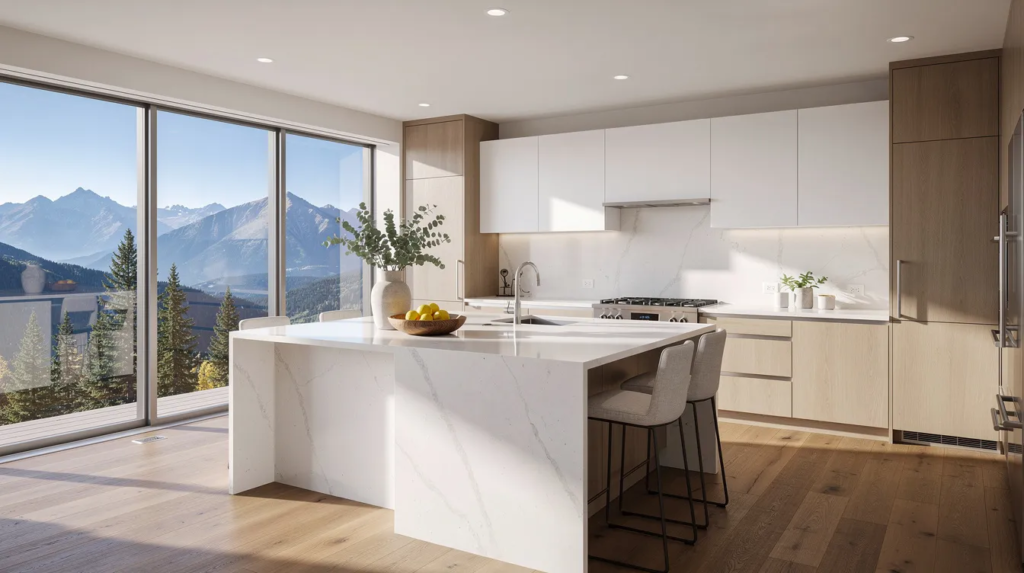
- Midrange Kitchen Remodel involves shaker-style cabinet refacing or replacement, quartz countertops, stainless appliances, and island additions. Expect $25,000–$50,000 in 2025–2026 North Idaho pricing, recouping 70–80% in Coeur d’Alene where open layouts appeal to families seeking modern style and function.
- Bathroom Remodel projects like converting tub-shower combos to walk-in curbless showers with porcelain tile, heated floors, and updated vanities range $15,000–$30,000. These deliver medium-high returns (60–70%), especially in primary suites overlooking Hayden Lake where buyers expect spa-like retreats.
- Finished Basement conversions into legal rental ADUs cost $40,000–$80,000, including egress windows, insulation for Idaho winters, and separate HVAC systems. Strong ROI (75%+) reflects housing shortages and income potential in Post Falls and surrounding areas.
- Entry Door Replacement with insulated steel or fiberglass models runs $2,000–$5,000 per door, yielding 80–90% ROI for instant curb appeal. This relatively modest investment makes a significant difference in first impressions.
- Garage Door Upgrade to insulated steel with smart openers costs $3,000–$7,000, recouping 70–85% while improving energy efficiency and daily convenience.
- Siding and Stone Accents averaging $15,000–$35,000 for 1,500 square foot homes deliver medium ROI (55–65%), though lake-proximate properties see higher premiums where weather resistance matters most.
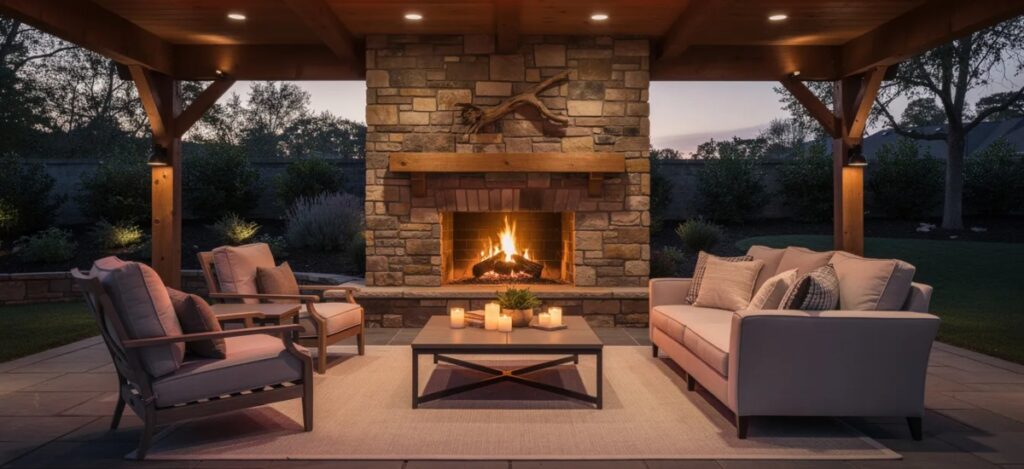
- Covered Outdoor Living Addition with 200 square feet of patio space, heaters, and fire pits costs $20,000–$45,000. High ROI (65–80%) reflects year-round usability in Kootenai County’s climate.
Design Trends Shaping Home Remodels for 2025–2026
Homeowners are pulling ideas from Pinterest, Houzz, and the Spokane–Coeur d’Alene Parade of Homes, where local builders like Sticks & Stones and Messina Construction showcase recurring themes adapted to regional needs. These trends show up differently depending on location—a downtown Coeur d’Alene condo scales features down to balcony enclosures, while Hayden cul-de-sac homes expand to 400-square-foot outdoor rooms.
Outdoor living rooms feature covered patios with infrared heaters, gas fire pits, and cedar tongue-and-groove ceilings enabling January snow gatherings or August barbecues. Knee-wall railings add kid safety on sloped lakefront lots while maintaining views.
Multi-use spaces reflect post-pandemic hybrid work realities: kitchen islands with integrated USB outlets and pop-up charging stations, guest rooms doubling as home offices with Murphy beds, and bunk rooms accommodating multi-generational families common in Post Falls. These flexible layouts boost resale appeal.
Kitchen niche features include coffee stations behind pocket doors, under-counter beverage fridges holding 50–100 cans, and appliance garages hiding toasters and mixers. These maximize space in 1980s Hayden kitchens where counter real estate is limited.
Spa-like primary bathrooms emphasize curbless entry showers with linear drains, freestanding soaking tubs, radiant heated tile floors, and frameless glass enclosures. In lake homes near Coeur d’Alene, large-format windows use low-E glass for privacy while framing mountain views.
Ceiling and wall treatments add warmth to vaulted great rooms: reclaimed wood beams, coffered plaster grids, or pine tongue-and-groove ceilings paired with shiplap entryways or board-and-batten wainscoting create visual interest without major structural changes.
Design Trends Shaping Home Remodels for 2025–2026
This section walks through practical, concrete ideas per room, balancing impact versus cost with specific materials and realistic timelines for Kootenai County homeowners.
Kitchens offer the most visible transformation opportunities. Refacing cabinets—sanding, installing new shaker doors, adding soft-close hinges—costs $8,000–$15,000 versus full replacement at $20,000–$40,000. Adding a range alcove with subway tile backsplash, swapping laminate counters for engineered quartz (Cambria in neutral veins works well), installing a dedicated coffee station with plumbing for a small sink, and layering LED task lighting under cabinets transforms a dated 1990s Hayden kitchen. Expect 4–6 weeks from demo to completion per local contractor timelines. Modern appliances and updated light fixtures complete the new room feel.
Bathrooms shift dramatically by replacing pedestal sinks with double vanities featuring quartz tops ($2,500–$5,000), creating tiled shower rooms with niche shelving and rain heads ($8,000–$15,000), and installing Panasonic WhisperFit ventilation fans for mold prevention during humid Idaho winters. Large-format porcelain mimicking Calacatta marble delivers durability without natural stone maintenance concerns.
Living rooms and fireplaces benefit from re-tiling dated gas fireplace surrounds with porcelain ledgestone ($3,000–$6,000), adding simple floating walnut mantels, running 7mm LVP through 500-square-foot main areas for seamless floor flow ($5–$8 per square foot), and building in shelving flanking TVs for media storage. These updates create cohesive spaces without moving walls.
Bedrooms and closets improve by ditching bifold closet doors for slab barn-style sliders on reach-ins, creating IKEA PAX-inspired wardrobe mudrooms in unused hall spaces with pull-out hampers, and adding accent walls via peel-and-stick wallpaper or vertical wood slats. Small hardware changes and painting make meaningful differences here.
Laundry room and mudrooms handle heavy lifting in Kootenai winters. Adding butcher block counters over stackable washers and dryers ($1,500–$3,000), installing lockers with benches and boot trays for snow gear, and using 12×24 tile or LVP rated for heavy traffic stands up to slush and sand season after season.
Outdoor Space & Curb Appeal Remodels for North Idaho Climates
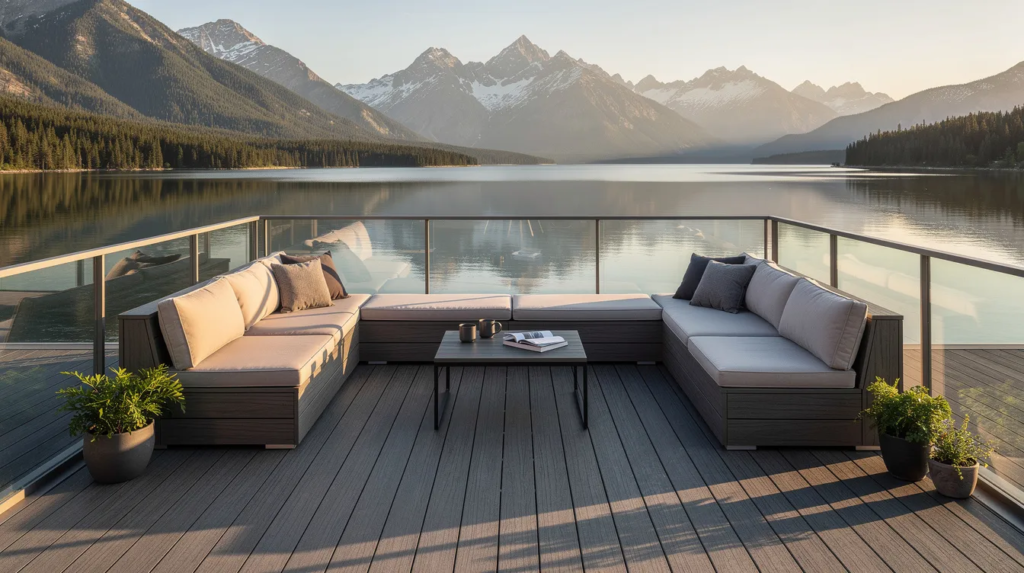
Outdoor remodels matter significantly in Coeur d’Alene, Hayden, and Post Falls because homeowners actually use exterior space year-round. Four true seasons, boating summers, and snowy winters create strong demand for usable decks and patios that perform in any weather.
Composite decks using materials like Trex Transcend run $50–$80 per square foot for 300-square-foot installations and resist rot far better than traditional wood—essential for Hayden Lake slopes where moisture exposure is constant. Covered porches with recessed electric heaters and bug screens extend usability from early spring through late fall, costing $30,000–$60,000 depending on size and finishes.
Outdoor kitchens integrate built-in Blaze gas grills, bluestone counters, and mini-fridges ($15,000–$35,000), while reinforced concrete hot-tub pads ($5,000–$10,000) surrounded by gravel make winter shoveling manageable. These additions create genuine outdoor living spaces rather than seasonal-only features.
Landscape updates complement structural work: permeable paver walkways handle spring thaw drainage, zone 6-hardy plantings like Karl Foerster grass and serviceberry shrubs require minimal winter prep, and French drains prevent basement flooding common in older homes.
Curb appeal projects deliver outsized impact. Replacing a faded front door with modern steel or fiberglass ($4,000–$8,000), upgrading to Clopay insulated garage doors ($4,000–$9,000), adding stone veneer accents over dated vinyl siding ($10–$20 per square foot), and repainting trim in Sherwin-Williams Agreeable Gray or charcoal creates striking contrast. Note that HOA rules in newer Post Falls and Hayden developments mandate pre-approval for exterior changes, so verify guidelines before putting money toward materials.
Planning, Permits, and Timelines in Kootenai County
Many remodel delays stem from underestimating permitting and lead times. Supply chain disruptions from 2020–2024 still affect material availability into 2025–2026, making advance planning essential.
Common projects requiring permits in Kootenai County include moving or removing walls (engineer-stamped plans, $500–$2,000 fees), adding windows (egress compliance required), upgrading electrical panels to 200A, installing new plumbing stacks, building decks over 200 square feet, and modifying roof structures. Inspections occur at framing, rough-in, and final stages.
Cosmetic work like painting, replacing countertops with quartz overlays, swapping light fixtures within circuit capacity, or installing floating LVP flooring typically skips permits. However, local verification matters—Coeur d’Alene enforces stricter historic overlay requirements downtown versus unincorporated county leniency.
Realistic timelines: small bathroom updates take 2–3 weeks (demo 2 days, plumbing 3–5 days, tile 1 week). Midrange kitchen remodels run 4–8 weeks (cabinets need 1-week lead time, installation takes 5 days, counters require 3 days). Main-floor reconfigurations extend 8–16+ weeks including 2–6 week permitting windows. The Kootenai County Building & Planning Department processes over 2,000 residential permits yearly, with peak summer backlogs adding delay. Check current 2025–2026 requirements as codes and fees change regularly.
Budgeting & Financing Your Home Remodel
Defining a total budget with 10–15% contingency before selecting finishes or hiring contractors prevents scope creep and mid-project stress. Without this buffer, unexpected issues like outdated wiring behind walls or water damage under floors can derail your plan entirely.
Typical 2025–2026 cost ranges for significant remodels in North Idaho run $80–$150 per square foot for basic interior reconfiguration (cosmetic updates, flooring, painting) and $150–$250 per square foot for structural work involving wall removal, electrical panel upgrades, or plumbing relocation. An 800-square-foot open-concept project might cost $120,000 or more depending on finishes and complexity.
Common financing options for Kootenai County homeowners include cash savings for smaller $5,000–$15,000 projects, personal loans (8–12% APR, quick approval for $20,000 amounts), home equity loans (6–8% fixed rates for $50,000+), and HELOCs (7–9% variable, flexible draws up to 80% equity). Local options like Idaho Central Credit Union offer remodel lines with no closing costs under $100,000. Larger $100,000–$200,000 whole-house remodels often suit HELOCs despite equity risks in rising-rate environments.
Before meeting with designers or contractors, create a priorities list separating must-haves from nice-to-haves. This allows scope to adjust to budget rather than the other way around, helping you spend money where it matters most for your investment and daily life.
DIY vs. Hiring Pros: What Makes Sense Where
Many Kootenai County homeowners handle certain projects themselves while bringing in professionals for structural, roofing, or complex mechanical work. Understanding the difference protects both your budget and your house.
Good DIY remodel tasks include painting interior walls, installing new cabinet hardware, applying simple wallpaper, laying click-together LVP flooring in square rooms without complicated cuts, and swapping basic light fixtures when existing circuits have adequate capacity. These projects require minimal tools, carry low risk, and save labor costs.
Licensed electricians, plumbers, and contractors are strongly recommended for moving walls (permit requirements, structural implications), new circuits for kitchen appliances or EV charging (NEC code compliance), curbless showers requiring proper waterproofing systems like Laticrete, roof replacements (Idaho wind and snow load considerations), and structural deck additions overlooking slopes or lakefronts. Getting these wrong creates safety hazards and insurance complications.
Unpermitted or poorly executed DIY work tanks resale inspections in competitive Coeur d’Alene and Hayden markets where buyers expect documentation. Idaho requires contractor registration (verify at 208-332-8000), and the Better Business Bureau lists over 972 remodel contractors serving Coeur d’Alene alone. Get at least 2–3 written bids for larger projects, check references, and view past work when possible.
Step-by-Step Planning Checklist for Your Next Home Remodel
This roadmap guides Kootenai County homeowners from initial idea through completed project, covering the practical steps that keep remodeling projects on track.
- Clarify your goals: Define what function shifts you need—whether that’s an open kitchen for family gatherings, a home office conversion, or a rental basement for income. Be specific about problems you’re solving versus nice-to-have upgrades.
- Set a preliminary budget: Factor $100–$200 per square foot for significant interior work, add 15% contingency, and determine financing options before falling in love with finishes you can’t afford.
- Gather inspiration: Collect photos from Houzz, Pinterest, and local Parade of Homes tours. Focus on examples from similar-sized Kootenai County homes rather than mansion-scale projects.
- Consult with designers and contractors: Get 2–3 bids, verify Idaho contractor registration, and discuss realistic timelines. Book contractors months ahead for summer work in Coeur d’Alene when demand peaks.
- Secure permits: Allow 2–6 weeks depending on project scope and season. Contact the Kootenai County Building & Planning Department or relevant city office early.
- Order materials: Cabinets require 6–10 week lead times; counters, fixtures, and specialty items need advance ordering to avoid delays once demo begins.
- Schedule work: Consider winter interior projects for better contractor availability. Exterior work runs best from late April through October in North Idaho’s climate.
- Conduct walkthrough and punch list: Ensure code compliance, verify all finishes match specifications, and document any items needing correction before final payment.
Conclusion: Remodeling for Life in Coeur d’Alene, Hayden, and Post Falls
A thoughtful home remodel blends design trends, practical function, realistic budgets, and local permitting realities into a project that enhances both your daily experience and your property’s value. Well-planned updates—updated kitchens with modern appliances, spa-like bathrooms, improved mudrooms for winter gear, and four-season outdoor spaces—significantly improve life in Kootenai County homes built decades ago.
Rather than trying to renovate everything at once, start with one prioritized new project informed by ROI data and personal enjoyment. Whether you’re in downtown Coeur d’Alene, a Hayden lakefront, Post Falls neighborhoods, or surrounding Kootenai County, the right remodel makes your house work better for how you actually live—and positions you well when it’s eventually time to sell.